Choosing a Carpenter
How to Choose a Carpenter in Bath: What to Check Before You Hire
The difference between a carpenter and a bespoke joiner, and the questions that actually tell you whether someone's right for your project.
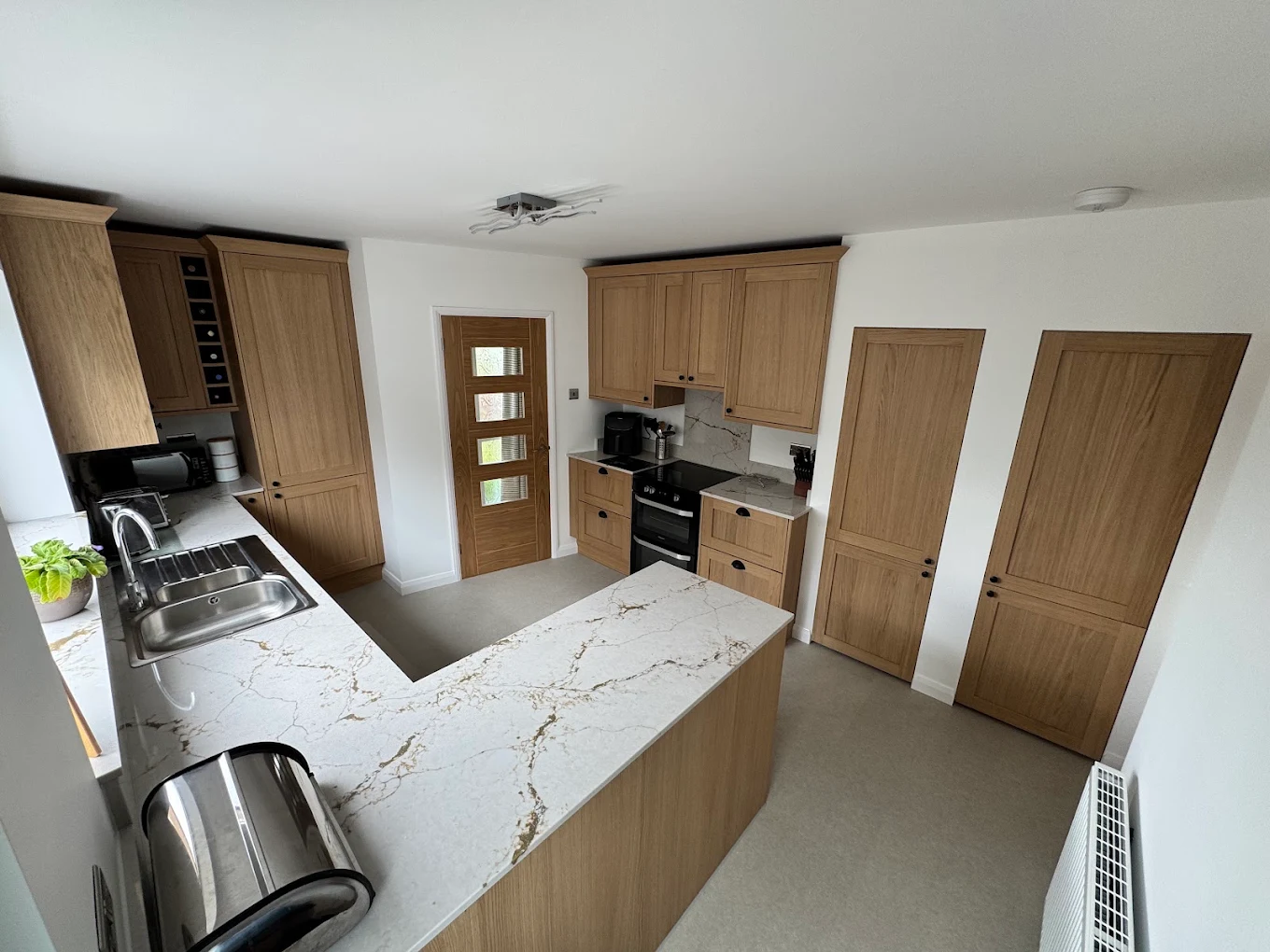
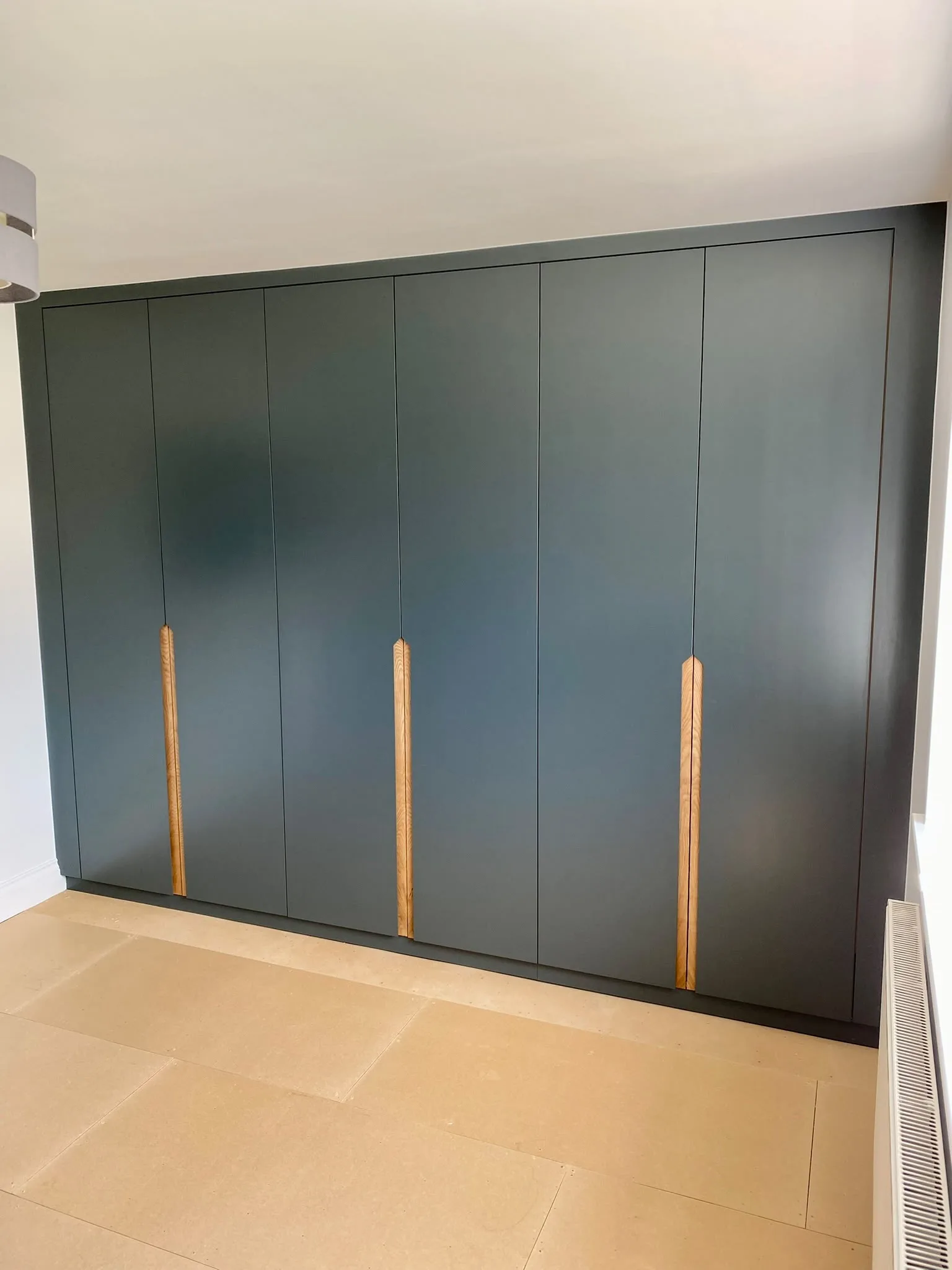
Search “carpenter Bath” and you’ll get a mix of results — some genuinely skilled bespoke joiners, some general handymen who’ll turn their hand to anything, and everything in between. For a straightforward job, that spread doesn’t matter much. For a fitted wardrobe that has to fit a sloped ceiling exactly, or a kitchen where every cabinet needs to line up to the millimetre, it matters a lot. Here’s what actually separates them.
Carpenter vs Bespoke Joiner — Is There a Difference?
In practice, the terms overlap, but the work doesn’t always. General carpentry covers structural first-fix work — stud walls, floor joists, door linings — and second-fix finishing like skirting and architraves. Bespoke joinery is different: made-to-measure furniture and fitted storage designed and built to suit an exact space, not adapted from a standard size. A carpenter and a bespoke joiner might be the same person, or they might not be. Ask directly which kind of work someone specialises in before assuming.
Ask to See Real, Local Work
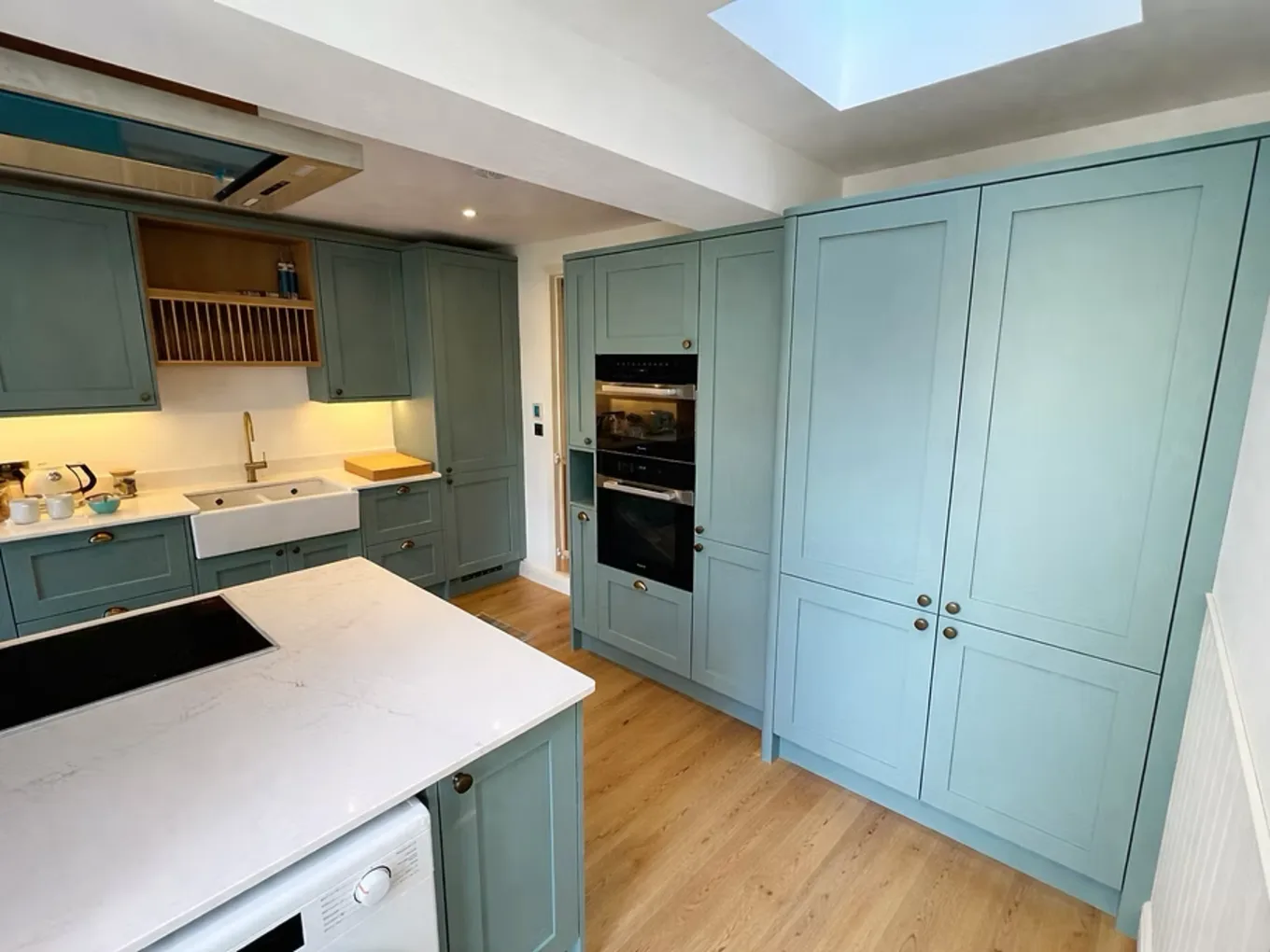
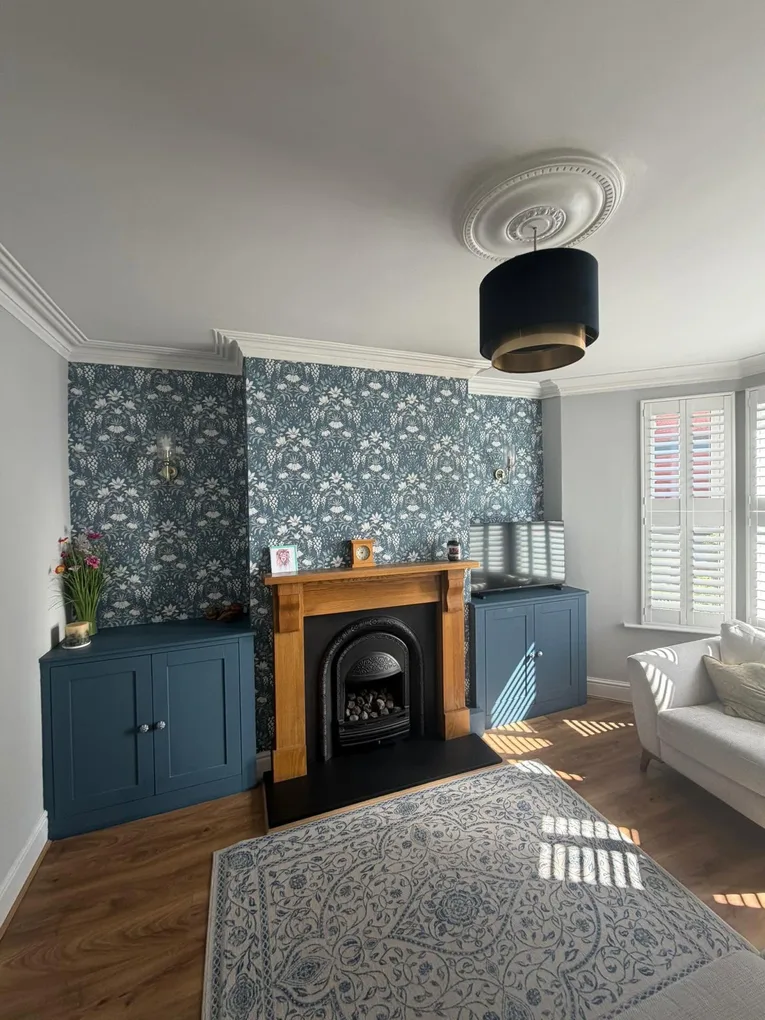
Photos on a website are a start, but ask specifically for examples of work in Bath or the surrounding area — ideally something with a similar brief to yours. A fitted wardrobe into an awkward alcove, a kitchen island in a period property, a garden room with a specific insulation spec. Generic stock-style photography or a portfolio with no local grounding is a reason to ask more questions, not necessarily a dealbreaker.
Get a Written Quote, Not a Verbal Estimate
A written quote should specify materials, finish, and what’s included — not just a total figure. “Bespoke” work varies enormously in price depending on the timber, the hardware, and the internal configuration, so a number without a specification behind it tells you very little. If a carpenter won’t put the detail in writing before you commit, that’s worth noting.
Ask About the Design Process
Good bespoke joinery starts with a proper site visit and a design conversation — measurements taken in person, not estimated from a floor plan, and a conversation about how you’ll actually use the space. If someone’s willing to quote a fitted wardrobe or a kitchen without seeing the room, be cautious about how accurate that quote can really be.
Check What Happens If Something Doesn’t Fit
Bespoke work occasionally needs a small adjustment once it’s installed — a wall that isn’t quite as straight as it looked, a skirting board that needs scribing in. Ask how that’s handled: is it part of the job, or a separate charge? A carpenter who’s confident in their measuring process should have a straightforward answer.
Trust and Insurance
Public liability insurance should be a given, not something you have to dig for. Ask to see it. For anything involving structural work — removing a wall, altering floor joists — check they’re comfortable explaining what’s load-bearing and what isn’t, and how Building Regulations apply to your specific job.
The Short Version
A carpenter worth hiring in Bath will happily show you real local work, put a proper specification in writing, visit before quoting, and answer questions about insurance and process without hesitation. If any of that feels like pulling teeth, that’s the answer.
TM Carpentry is a bespoke joiner and carpenter working across Bath, Bristol, and Keynsham, carrying £2M public liability insurance as standard — get in touch for a written quote on your project.
Get in touch
Ready to talk about your project?
Tell us what you have in mind — we'll come back with a written quote and a realistic timeline.